

A Comprehensive Guide on Designing Your Own Dress
Are you prepared to dive into the creative waters and tailor your ideal dress, much like casting a line in the exhilarating big bass splash game? Dresses serve as a …
Fashion Designer Courses
Fashion Designer Courses








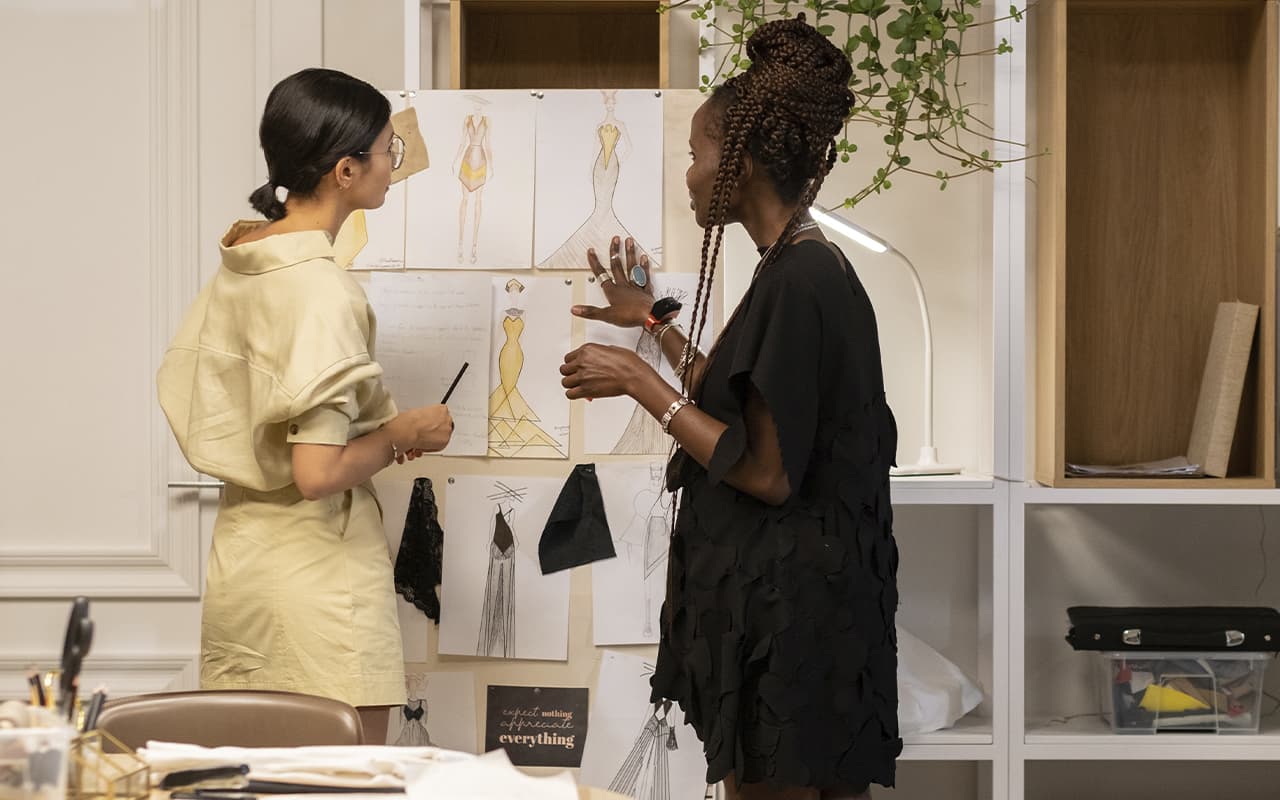
We are pleased to welcome you to our unique school, where we strive to inspire and develop your creativity in fashion and fashion design.
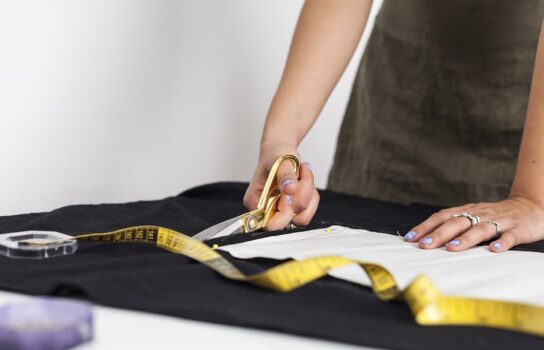
Learn MoreYou have the opportunity to study at your own pace and schedule. You can choose any type of garment you want to sew, and any number of classes.
The new trend is actively used by experts in Europe and America. Thanks to the course, you will get an exclusive Astrostyle service in your arsenal, expand your knowledge of physiognomy, style astrology, and stylistics.

Marvelous designer, an automated method of digital clothing design that allows you to implement various principles of planar and three-dimensional construction of patterns and sketches.


I just loved the course! It was the most interesting and informative learning experience I have ever had. The instructors were professionals in their field and gave us not only theoretical knowledge but also practical skills that we could immediately apply. I am now confidently creating my own models and designs thanks to these courses. I recommend it to anyone who wants to develop their creative potential!

I'm glad I decided to attend the Fashion Designer course. It was a real discovery for me! In a short amount of time, I learned the basics of modeling and gained valuable skills in fashion design. I received individual attention from the teachers who were always willing to help and answer my questions. Now I am confidently putting my ideas into practice and already have some orders from clients. Thank you for the inspiration and the opportunity to realize my creative dreams!

The course exceeded all my expectations! I gained incredibly useful knowledge and skills that helped me become a successful designer. The instructors were exceptionally talented and open-minded, always willing to help and share their knowledge. In addition, the courses provided me with the opportunity to meet like-minded people and create valuable connections in the fashion industry. Thank you so much for this unforgettable experience!
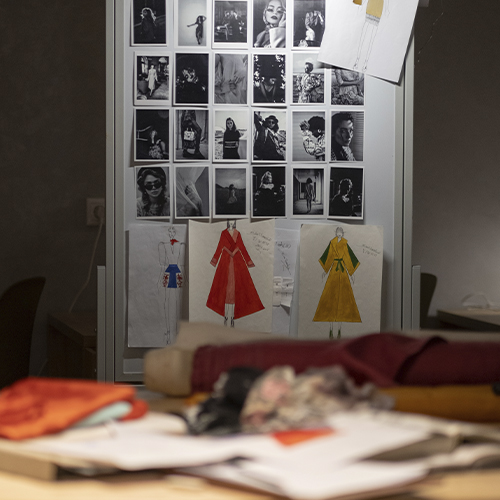
Join our fashion designer courses and unleash your creativity today. Don't miss the opportunity to become part of the fashion world and make your modeling dreams come true. Register now and start your way to success in the fashion industry!
Are you prepared to dive into the creative waters and tailor your ideal dress, much like casting a line in the exhilarating big bass splash game? Dresses serve as a …
In the ever-evolving realm of fashion, TillyandWilliam, now known as Cilium, has emerged as a trailblazer in the industry. Founded in 2011 by Tilly d Wolfe and Thomas Barranca, this …
In the bustling heart of New York City, a brand was born from a small apartment, driven by a passion for creativity and a love for lingerie. Relique Lingerie, founded …